President’s Perspective: July 2026
By Chris Delfs, NWIA President
Broker, Keller Williams Siouxland & Keller Williams Okoboji
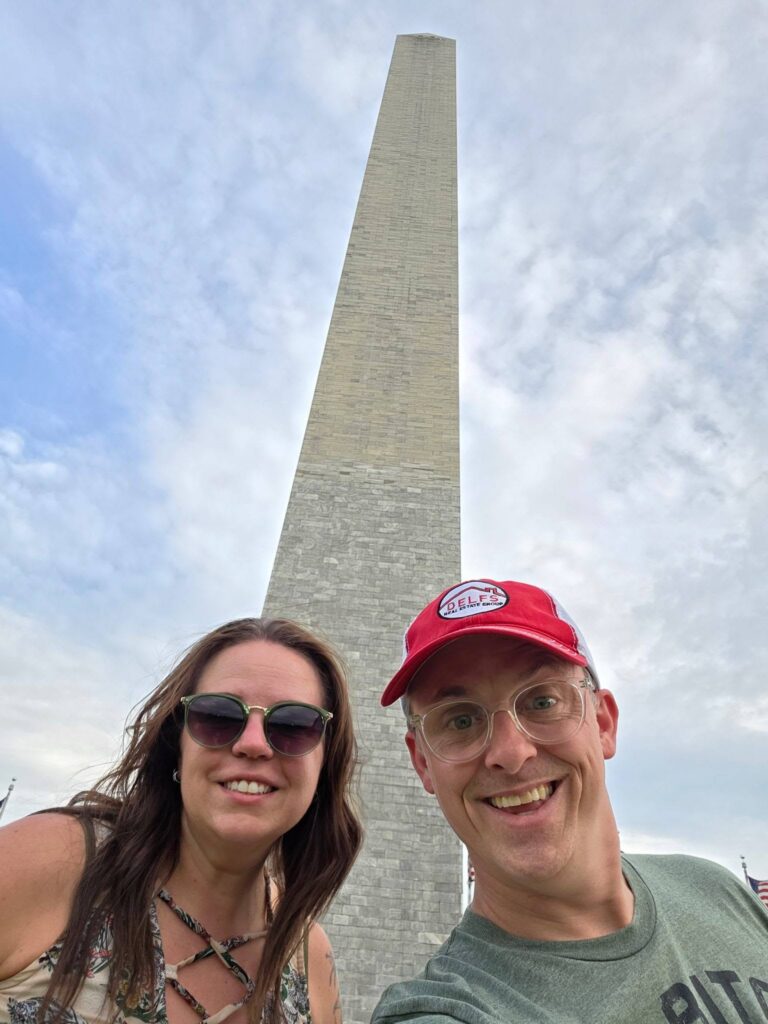
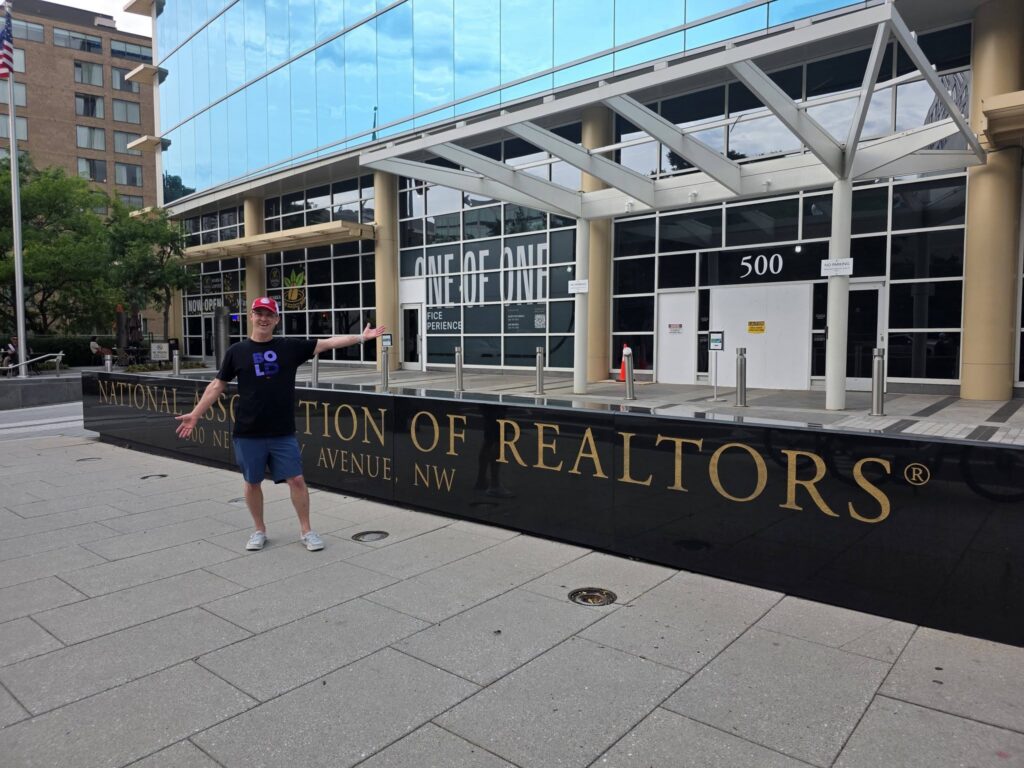
At the conference, my big takeaways were the MLS, AI technology, and fraud prevention.
The evolution of the MLS remains a defining issue. Fragmentation was a word that kept popping up in conversations around the national headlines. There are many conversations being had around regional MLS’s. The role of the MLS has evolved over the years. Undoubtedly a valuable tool, the shifts in the industry make it a hot topic to keep an eye on moving forward.
I attended a roundtable session with Michael Kratsios, Assistant to the President and Director of the WhiteHouse Office of Science and Technology Policy highlighted the legal boundaries of digital integration and encouraged real estate practitioners to be mindful of the following issues:
- Data Misuse: The unauthorized use of licensed data (or “grey data”) is a growing industry risk.
- Licensing Requirements: Using AI for automated pricing and marketing enters a legal grey area. You still need a professional license to perform these tasks, and relying on unverified outputs creates liability. Your professional judgment is what clients are paying for, be sure to verify outputs from AI sourced data.
- Public Data Risks: Free online AI tools do not secure your data. Never feed sensitive information into public tools, and verify all AI outputs so you do not unintentionally practice law.
Lastly, real estate fraud has surged 500% since 2018, with 2025 losses alone hitting $275 million (a 58% increase from 2024). Much of this originates overseas in Russia and Ukraine, with TikTok heavily utilized to learn and spread these scams. Red Flags to look out for: Sellers who refuse to meet in person/video, demand a rushed timeline, insist on their own notary, or list only one parcel of multiple contiguous acres. Watch out for “stolen listings” copied and posted for fraudulent rents and deposits. If you encounter these red flags slow down the closing timeline if something feels suspicious.
One common practice we heard repeatedly was to send a certified letter to the property owner of record to confirm their involvement at any sign of fraud to confirm that the actual owner is the one communicating with you.
Scammers are very sophisticated and it’s important to be diligent about identity verification.